

Crew Conundrums
“Ag, I just couldn’t get good people on board”
“I’m getting a Jetski so I don’t have to deal with crew”
“I’m never taking him on my boat again”
“We could have caught more fish, but I had a dud crew”
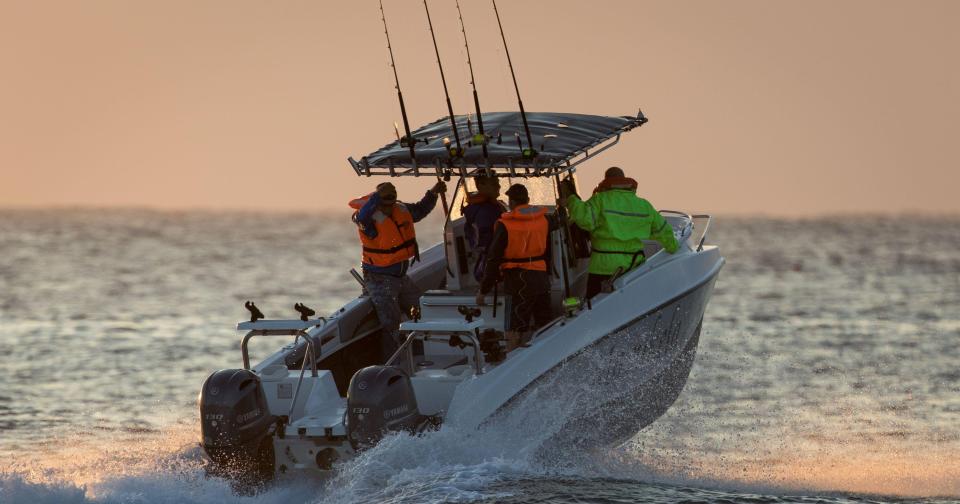
There are not many things more annoying to a ski-boat owner/captain than having a bad crew, and it can cause a sour note in what should be a fun day out at sea. A good crew member, on the other hand, can improve the day considerably and will always be front of mind when that next trip is being planned!
It might be ignorance, apathy or personality, but it seems too many anglers are desperate for a place on a boat and not as desperate to put in the effort required in return.
We asked some of the best deckhands in the country to provide some tips that they follow, from launching to clean up, that make their spot on the next trip a sure thing.
Lights, camera, action
We’re here to catch. Look, everyone enjoys a day of boating, but the goal is to see some fresh fish on the table at the end of the day. That means being organized, bringing the right gear and putting your game face on. If the skipper says be there at 5AM, get there at 4h30! This also applies to when you’re on the water. Don’t catch that first yellowtail and reach for the gwaai box, get casting! There will be plenty of time to rest and talk on the run home so be ready to strike while the iron is hot.
Know your limits
Let the skipper know ahead of time your comfort level and abilities. Be honest with each other. If you don’t know which side of a KP is which, let the skipper know before you end up fishing for Bek at 200m. It’s also perfectly OK to ask the skipper what kind of fishing you’ll be doing- you might be preparing for a day out at sea when your mate wants to be at the dock at 9 with 2 snoek for the braai. It’s just disappointing all round when you feel like you’ve wasted a day playing way below or above your ability level and expectations
The lay of the land
Never assume you know the answer to anything because of your experience on other boats. If it's a new boat and/or skipper, familiarize yourself with the layout, their preferences for how things are done and where everything is. Skippers usually ask for things to be done a certain way because they know it works on their vessel. It can be very frustrating to have your crew go ahead and make a preventable mistake like losing a fish because they assumed they knew everything.
Always remember- If you’re not sure about something, ask!
Oh Captain, my Captain
This next one is an easy trap to fall into. It’s more of a problem for experienced skippers going on their friend’s boats than newbies, so be mindful. It is great to work in collaboration and offer your feedback and input. It is infuriating when you constantly question decisions and offer unsolicited advice. Guess which gets a better reception?
1) “Hey bru, I check the current seems to be shifting a bit, it might be worth resetting the anchor if you want to, I can help” ✔️
2) “I’m tuning you, we’re not in the right spot, we should drop the anchor across there, we’re never going to catch like this” ╳
Never forget- you are not the captain today. Keeping this in mind will make for a happier ship all round.
Highway to the Danger Zone
NEVER, EVER, talk to, call a break or distract the skipper when surf launching. This can put doubt in the skippers mind and you definitely don't want that. The skipper will ask you for your opinion if they are not sure. When in the surf zone, your only job is to shut the hell up, watch the water and be ready to jump and swim if need be.
The process of pulling/setting anchors can also be fraught with danger, especially at night. Communication with your skipper and proper focus is a necessity when anything to do with the anchor is involved. Know how to tie a rope up properly, especially the anchor, don't guess and don't think: “It’s just a knot”. One mistake here and you can lose fingers, the anchor or even worse, flip the boat. Always be on the ball, watching and relaying info to the skipper about where the rope is. Your input is crucial and is an important part of getting this process right.
Your skipper goes fishing to relax, not to stress over you like one of their kids. Make sure you act accordingly or they’ll think twice before the next invite.
Organization and Awareness
A ski-boat is an environment where a lot can go wrong very quickly. Hooks on the deck, gaffs, whales en route- this is not a place to be dozing. Wake the hell up, leave the babalas (or Marlboro Greens) at home and stay on the ball!
This can range from awareness when moving around the boat to keeping an eye on your rig and making sure it doesn’t cause a tangle with the other anglers. Keep your area tidy - If your loose hook ends up in a crew members foot on my boat and we have to go in- you’re paying for the petrol and the medical bill.
Another top tip- Your ears are just as important as your eyes. Be aware of any strange noises or vibrations, these often start small and can end up as big problems if not picked up straight away. A good skipper will appreciate it if you bring something to their attention that they might have missed.
Contribution is Key
It’s quite a sad sight- seeing your crew mulling about like a lost fart in a fan factory while you do all the trailering, washing up, loading and unloading. We know this is not necessarily laziness, but often just a lack of knowledge. Again, ASK! Get stuck in and find out how you can get involved and help. Drop questions in the driveway what the safety and launching procedures are. Offer on the way back to the clubhouse to help with washing up. Ask if you can load or unload the boat and gear in a specific way. There is always something to be done.
Ski-boating is not cheap and your skipper is no doubt taking on a considerable cost to enjoy a day’s fishing. Here is another area you can contribute- ALWAYS make sure to discuss how you can contribute to the day at sea via petrol and other costs like ‘boat chow’.
If all else fails, hit the bar and make sure the first round is on you. You might just be getting in the way in some instances, and a cold beer/coke at the end of the day goes very far towards improving the skipper’s mindset when he’s finalizing those last few finicky steps that he doesn’t trust to anyone else.
If you follow these tips (along with generally not being a d*%#) you will most likely find yourself far more welcome on the next trip and all of a sudden, catching more fish!


